

 简体中文
简体中文  বাংলা
বাংলা 
How Do Oil-immersed Transformers Work
Jan 15, 2026 / Views: 408 / by MiCloud
In the field of medium- and high-voltage power transmission and distribution, oil-immersed transformers serve as indispensable core equipment. Whether powering industrial operations, ensuring municipal lighting, or supporting agricultural production in rural areas, their stable operation relies on the energy conversion and transmission provided by oil-immersed transformers.
This article systematically dissects the operational mechanism of oil-immersed transformers. From fundamental definitions, core structures, and working principles to key advantages, application scenarios, and maintenance safety essentials, it comprehensively addresses the core question of “how oil-immersed transformers work,” helping readers gain a deep understanding of this critical power equipment.
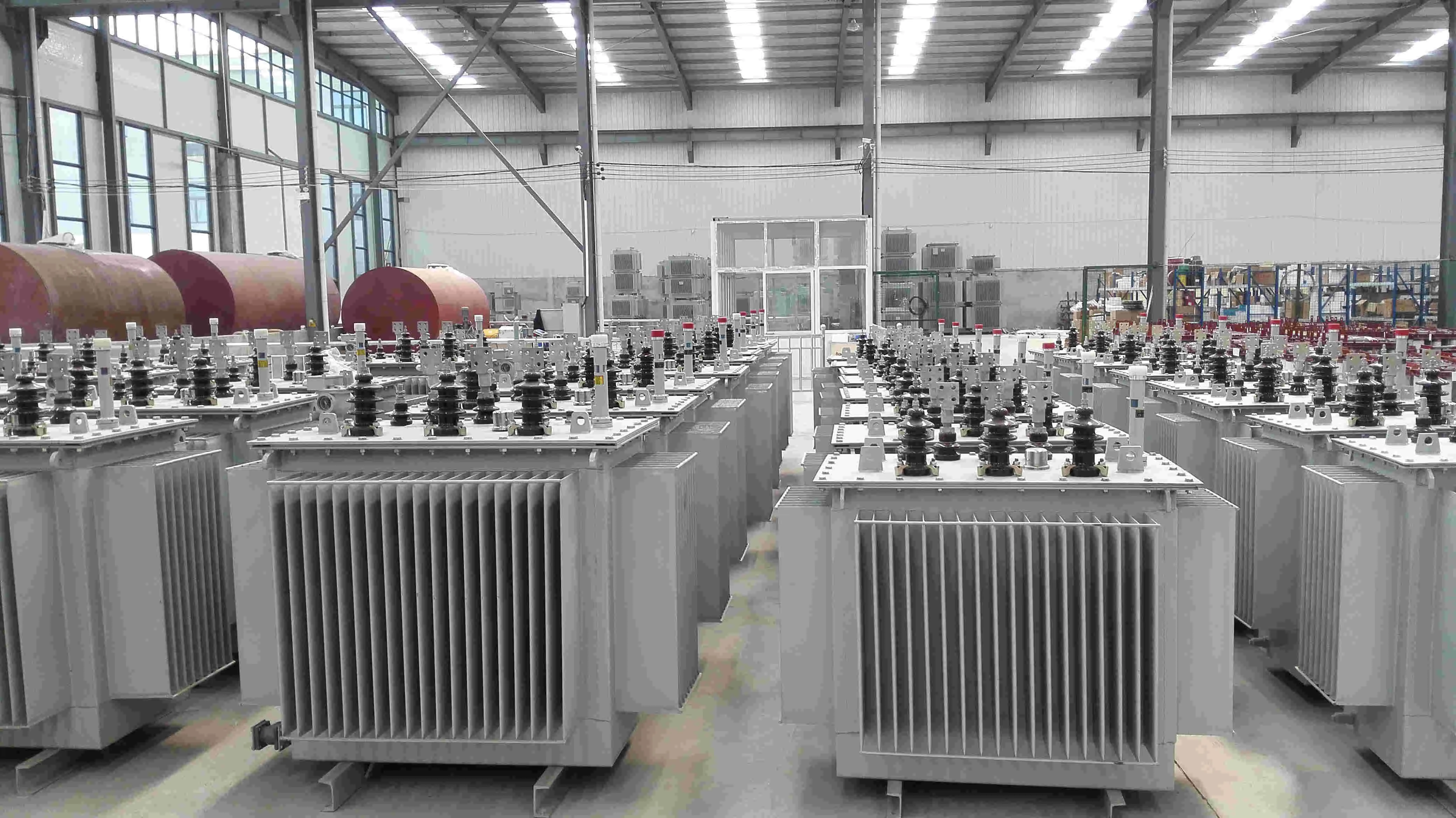
What Is an Oil-Immersed Transformer
Basic Definition of Oil-immersed Transformers
An oil-immersed transformer (also known as an oil-filled transformer) is a type of distribution or power transformer whose core components (core and windings) are submerged in insulating oil within a sealed tank. The core function of this design lies in the role of the insulating oil, which directly determines the transformer's operational performance.
Insulation:With dielectric strength far exceeding air, insulating oil effectively prevents electrical discharges between internal components (e.g., windings-to-windings, windings-to-core/tank), averting faults like short circuits.
Cooling: During operation, the core and windings generate significant heat. Insulating oil circulates via convection, carrying heat away from hot components and dissipating it through the tank walls or radiators, maintaining the equipment's normal operating temperature.
CLHT Power Oil-immersed Transformers Manufacturer Parameters
Understanding the following parameters facilitates precise matching to different application requirements and serves as the core basis for selection:
Voltage Rating: Primary voltages commonly include 34.5-19.92kV and 13.8-7.957kV; secondary voltages typically feature 480/277V, 400/230V, and 380/220V, with customization available.
Capacity Range: 30kVA - 2500kVA;
Other Key Specifications: High-voltage tap range ±2×2.5%, lightning impulse withstand voltage (BIL) 30/95kV, cooling methods including ONAN (oil-immersed self-cooled), ONAN/ONAF (oil-immersed self-cooled/air-cooled), etc., with mineral oil or FR3 insulation oil options;
Standards & Certifications: Compliant with IEEE, UL, ISO, IEC, GB, and other international/national standards; certified to ISO, CE, UL, IEEE, etc.
Operating Modes: Capable of both Step-Up and Step-Down functions.
Core Structure of Oil-Immersed Transformers
The stable operation of oil-immersed transformers relies on the coordinated functioning of all components. Its core structure primarily comprises the following parts:
Core
The core, typically constructed from laminated silicon steel sheets with high magnetic permeability, forms the main magnetic path of the transformer. The laminated design effectively reduces eddy current losses, while the high permeability enhances magnetic field transmission efficiency, providing a stable magnetic foundation for electromagnetic induction.
Windings
Wound from insulated copper or aluminum conductors, the windings comprise the high-voltage and low-voltage windings. These form the electrical circuitry responsible for inputting and outputting electrical energy. The high-voltage winding features more turns with finer wire diameter, while the low-voltage winding has fewer turns with thicker wire. The turn ratio between them directly determines the voltage conversion ratio.
Oil Tank and Radiator
The oil tank is a welded steel container that houses all internal components and insulating oil, preventing oil leakage and external contamination. To enhance heat dissipation, the tank's exterior is typically fitted with radiators or cooling tubes, increasing the surface area for heat release.
Oil Reservoir Tank
Positioned above the main tank and connected via piping, the oil expansion tank accommodates volume expansion and contraction of insulating oil due to temperature fluctuations. This ensures the main tank remains full while minimizing oil-air contact, thereby slowing oil degradation.
Breather
Connected to the oil conservator, the breather contains desiccants (e.g., silica gel). When the conservator draws in air due to oil volume changes, the breather filters moisture from the air, preventing water ingress into the insulating oil. This avoids oil degradation and maintains insulation performance.
Safety Protection Devices
Oil-immersed transformers incorporate multiple safety devices to ensure operational safety:
Gas relay: Installed on the pipeline between the main oil tank and oil conservator, it triggers an alarm during minor internal faults (gas generation) and cuts off power during severe faults (oil surge).
Pressure Relief Device: Rapidly releases pressure when internal faults cause sudden pressure surges in the tank, preventing tank rupture.
Bushings
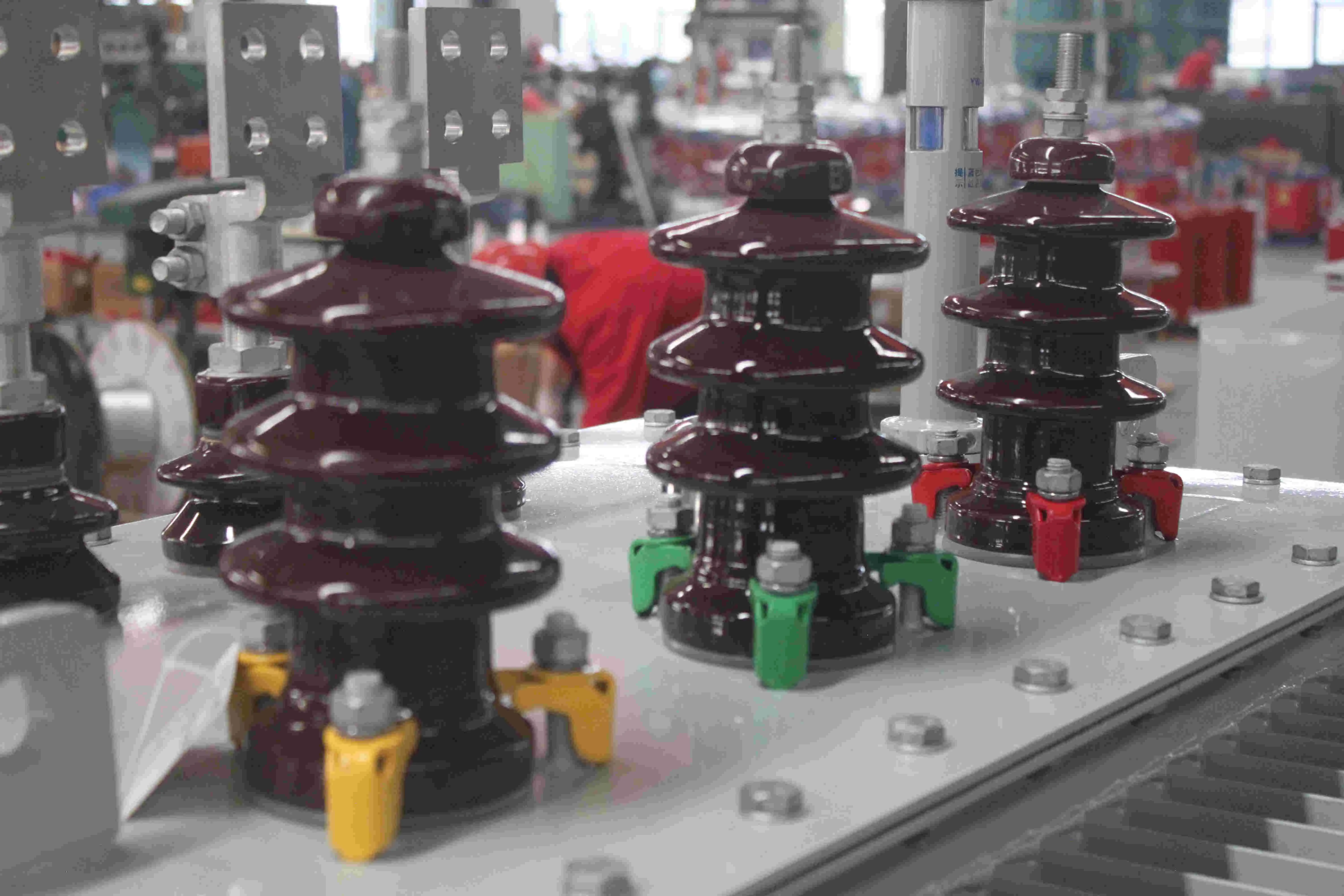
Bushings safely route high- and low-voltage winding leads through the tank cover to connect external circuits. They also provide insulation between the leads and the grounded tank to prevent leakage faults.
Oil-immersed Transformer Working Principle
Core Logic
Oil-immersed transformers do not rotate. They transmit electrical energy through the interaction of “electricity generating magnetism and magnetism generating electricity,” thereby altering voltage. This is the core principle of “electromagnetic induction.”
Simplified Voltage Conversion Process
Inside the transformer are two sets of coils (called “windings”). Voltage transformation depends entirely on the number of turns in these windings:
Current Generates Magnetism: When current flows through one set of coils (the primary winding), it creates a changing magnetic field in the iron core.
Magnetic field induces electricity: This magnetic field passes through the other coil (secondary winding), inducing an electric current;
Turns determine voltage: More turns in the primary winding and fewer in the secondary winding reduce voltage (e.g., converting 10kV to 380V for household and industrial use); conversely, fewer turns in the primary winding increase voltage (facilitating long-distance power transmission).
Two Key Functions of Insulating Oil
Insulating oil serves as the transformer's “protective fluid,” providing continuous operational support:
Insulation and Short-Circuit Prevention: Isolates the two high-voltage coil sets to prevent discharge short circuits;
Heat Dissipation and Cooling: Removes heat generated by the coils and core during operation, preventing equipment overheating and damage.
Additional Cooling for Large Transformers
High-capacity transformers generate more heat, necessitating extra oil pumps and fans. These components force oil circulation and blow air for cooling, ensuring normal operation under heavy loads.
Core Advantages of Oil-Immersed Transformers
Oil-immersed transformers dominate medium- and high-voltage power transmission and distribution due to their irreplaceable core advantages:
Superior Insulation Performance
The dielectric strength of insulating oil far exceeds that of air, enabling oil-immersed transformers to effortlessly handle extremely high voltage scenarios. This provides a natural advantage in medium- and high-voltage power systems, ensuring greater operational stability.
High Cooling Efficiency
The convective circulation of insulating oil rapidly transfers heat from thermal components to the tank walls or radiators, achieving significantly higher heat dissipation than dry-type transformers. This efficient cooling capacity allows transformers to handle heavier loads and extends their service life.
High Reliability and Long Service Life
Under proper maintenance, high-quality oil-immersed transformers can achieve a design lifespan of 20-30 years or longer. Their mature structure and stable components ensure long-term reliable operation in complex environments.
Strong Overload Capacity
Benefiting from superior cooling performance, oil-immersed transformers can withstand short-term overload operation. They adapt better to load fluctuations in scenarios with significant power demand variations, ensuring uninterrupted power supply.
Outstanding Cost-Effectiveness
For high-capacity, high-voltage applications, oil-immersed transformers typically incur lower manufacturing costs than dry-type transformers of equivalent specifications. They fulfill power transmission requirements with reduced investment, offering significant economic advantages.
Application Scenarios for Oil-Immersed Transformers
As the “energy converters” of power systems, oil-immersed transformers are widely deployed across multiple critical domains:
Power Plants: Step-Up Transmission
Within power plants, oil-immersed transformers function as step-up transformers. They elevate the low-voltage electricity generated by turbines to high-voltage levels (e.g., 110kV, 220kV), enabling long-distance transmission via high-voltage lines and minimizing energy losses during transport.
Transmission Networks: Voltage Level Conversion
At substations of all levels, oil-immersed transformers serve as core equipment responsible for converting and transmitting electricity across different voltage levels. For example, they step down high-voltage transmission line power to medium voltage before distributing it to the next-level distribution network.
Distribution Network: Terminal Step-Down Supply
At the distribution stage, oil-immersed transformers function as distribution transformers, stepping down medium-voltage power (e.g., 10kV) to low-voltage levels (e.g., 400/230V, 380/220V) directly usable by consumers. This supplies electricity to industrial enterprises, commercial buildings, and residential households.
Industrial and Mining Applications: Customized Power Supply
Large factories, mines, and other industrial facilities have specialized voltage requirements. Oil-immersed transformers can provide customized voltage levels tailored to production equipment specifications, ensuring the reliable operation of manufacturing machinery.
Maintenance and Safety Considerations for Oil-Immersed Transformers
Proper maintenance is crucial for extending the service life of oil-immersed transformers and mitigating safety risks. Routine maintenance should focus on the following aspects:
Regular Visual Inspection and Cleaning
Conduct periodic visual inspections of the transformer to confirm all components are intact, free from oil leakage, and that all connections are secure. Simultaneously, clean both the interior and exterior surfaces to remove dust and debris, preventing impairment of heat dissipation and insulation performance.
Insulating Oil Condition Monitoring
The condition of insulating oil directly impacts transformer operational safety. Key monitoring points include:
Maintain proper oil levels to prevent insulation and cooling failures caused by low oil levels;
Regularly extract oil samples for testing, checking dielectric strength, moisture content, impurity levels, and other indicators to avoid using contaminated insulating oil.
Temperature and Pressure Monitoring
Continuously monitor the transformer's operating temperature and tank pressure to ensure all parameters remain within manufacturer-recommended ranges. Immediately shut down the unit for inspection and troubleshooting if sudden temperature spikes or abnormal pressure occur.
Fire Safety Protection
Insulating oil in oil-immersed transformers is flammable. Implement fire prevention measures:
Ensure oil tank seals are intact to prevent oil leakage and fire spread during incidents;
Equip the transformer area with appropriate fire extinguishing equipment and establish comprehensive fire emergency protocols.
Conclusion
Oil-immersed transformers and excellent cost-effectiveness, remain indispensable to global power infrastructure. Whether powering a city or driving a large factory, they are the cornerstone of efficient and stable power conversion.
If you are seeking an efficient and reliable power transformer solution for your project, partnering with a professional oil-immersed transformer manufacturer is essential. Leveraging their expertise, they can deliver tailor-made products aligned with your specific requirements—such as capacity, voltage rating, and transformer model—and provide premium after-sales support to ensure the long-term, stable operation of your power system.