

 简体中文
简体中文  বাংলা
বাংলা 
What You Need to Know about Oil-immersed Transformer
Dec 09, 2025 / Views: 350 / by MiCloud
As a foundational device in modern power systems, oil-immersed transformers stand as the backbone of voltage conversion, power transmission, and grid stability—supporting everything from residential electricity access to large-scale industrial operations. For over a century, this technology has evolved to balance efficiency, reliability, and safety, making it one of the most widely deployed transformer types globally. Whether you’re an engineer designing a substation, a facility manager upgrading power infrastructure, or a stakeholder evaluating energy equipment, understanding the core mechanics, advantages, and best practices of oil-immersed transformers is essential.

What Is an Oil-immersed Transformer?
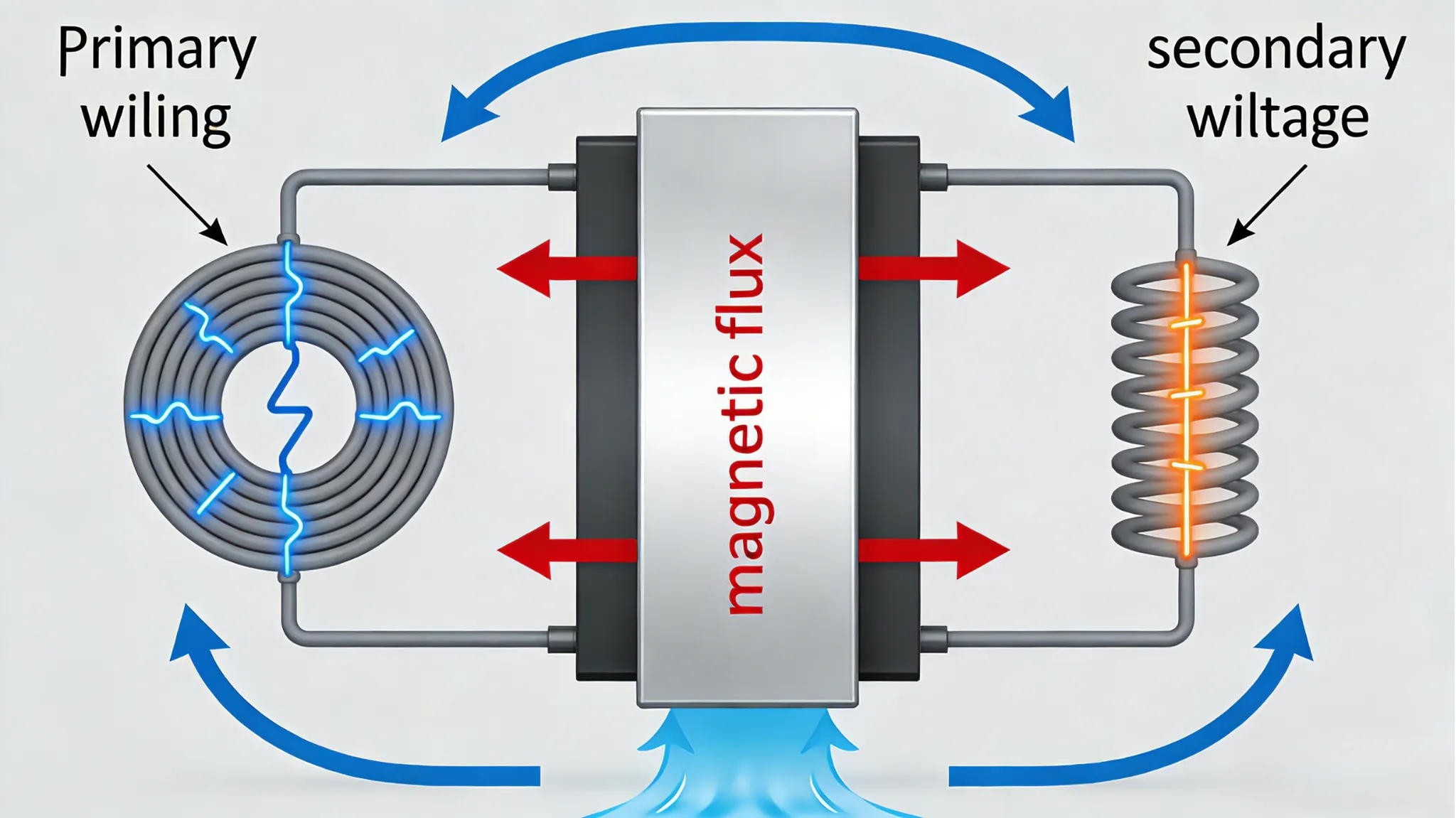
An oil-immersed transformer (also referred to as a liquid-filled transformer) is an electrical device that uses insulating oil as a dual-function medium: it isolates the transformer’s core and windings to prevent electrical arcing, while also absorbing and dissipating heat generated during energy conversion. Its basic structure consists of a sealed steel tank, a laminated iron core (to concentrate magnetic flux), copper or aluminum windings (to transfer electrical energy via electromagnetic induction), and insulating oil (typically mineral oil, synthetic ester, or natural ester) that fully submerges the internal components.
Unlike dry-type transformers (which use air or solid insulation), the oil in these units creates a protective barrier against external contaminants like moisture, dust, and corrosive particles—critical for equipment operating in harsh or outdoor environments. Modern designs often include additional components: conservator tanks (to accommodate oil expansion/contraction with temperature changes), breather units (to filter moisture from air entering the tank), and pressure relief valves (to prevent tank rupture during overheating).

How Do Oil-immersed Transformers Work?
Insulation: The oil’s high dielectric strength (typically 20–30 kV/mm) prevents electrical current from leaking between windings or from windings to the tank, even at high voltages.
Cooling: As the windings and core heat up (due to resistive losses and magnetic hysteresis), the oil absorbs this heat. The heated oil rises to the top of the tank, where it transfers heat to the tank walls (via conduction) or external radiators (via convection), then circulates back to the core to repeat the cycle. For high-capacity units (200MVA+), forced oil cooling systems (using pumps and fans) may be added to enhance heat dissipation.
Core Advantages of Oil-immersed Transformers
Superior High-Voltage Performance: Their insulating oil enables operation at voltages up to 1,100kV (common in long-distance transmission lines), a range that dry-type transformers rarely match.
Extended Service Life: With proper maintenance (e.g., regular oil testing, leak inspections), these transformers can operate reliably for 25–30 years—5–10 years longer than many dry-type alternatives. The sealed oil tank protects internal components from environmental wear, reducing the need for frequent replacements.
Cost-Effectiveness for Large Capacity: For units above 10MVA, oil-immersed transformers have lower upfront manufacturing costs and higher energy efficiency (typically 98–99.5%) than dry-type models, translating to long-term savings on electricity and maintenance.
Flexible Installation: They can be deployed outdoors (in weatherproof enclosures) or indoors (in ventilated rooms), making them adaptable to substation, industrial, and renewable energy site requirements.
Key Applications Across Industries
Oil-immersed transformers are ubiquitous in power infrastructure and industrial settings:

Power Grids: They form the core of substations, stepping up voltage for long-distance transmission (e.g., 230kV/200MVA units) and stepping down voltage for distribution to cities and towns (e.g., 10kV/5MVA units).
Industrial Facilities: Factories, mining operations, and manufacturing plants rely on them to power heavy machinery—often in custom configurations (e.g., flame-retardant oil for chemical plants).
Renewable Energy Systems: Wind and solar farms use oil-immersed transformers to convert variable output voltage from turbines/panels to grid-compatible levels, with many opting for biodegradable natural ester oil to reduce environmental risk.
Infrastructure Projects: Commercial skyscrapers, hospitals, and data centers deploy them to ensure stable, high-capacity power supply, often paired with backup systems for uninterrupted operation.
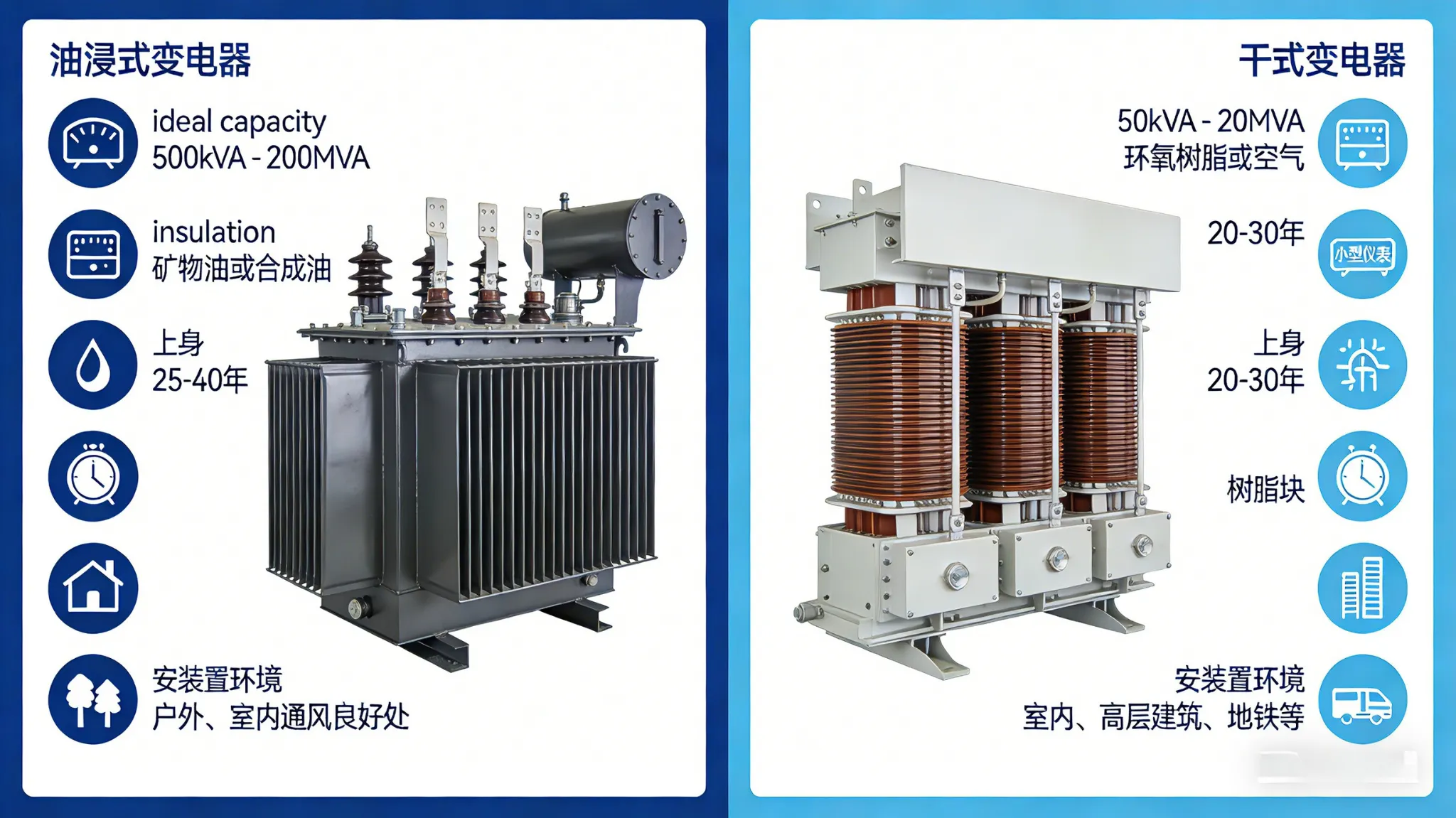
Oil-immersed vs. Dry-type Transformers: A Quick Comparison
Selection & Maintenance Best Practices
Match Capacity & Voltage: Choose a unit rated for your peak power demand (add 10–15% buffer for future growth) and grid voltage (e.g., 230kV for transmission, 10kV for distribution).
Prioritize Oil Type: For ecologically sensitive areas (e.g., near water bodies), select natural ester oil (biodegradable) over mineral oil. For high-temperature environments, synthetic ester oil offers better thermal stability.
Validate Certifications: Ensure the transformer meets IEC 60076 (international safety standard) or IEEE C57 (North American standard) to guarantee compliance with grid regulations.
Implement Regular Maintenance: Conduct annual oil testing (to check for moisture, acidity, and contaminants), inspect for leaks, and clean radiators to prevent overheating.